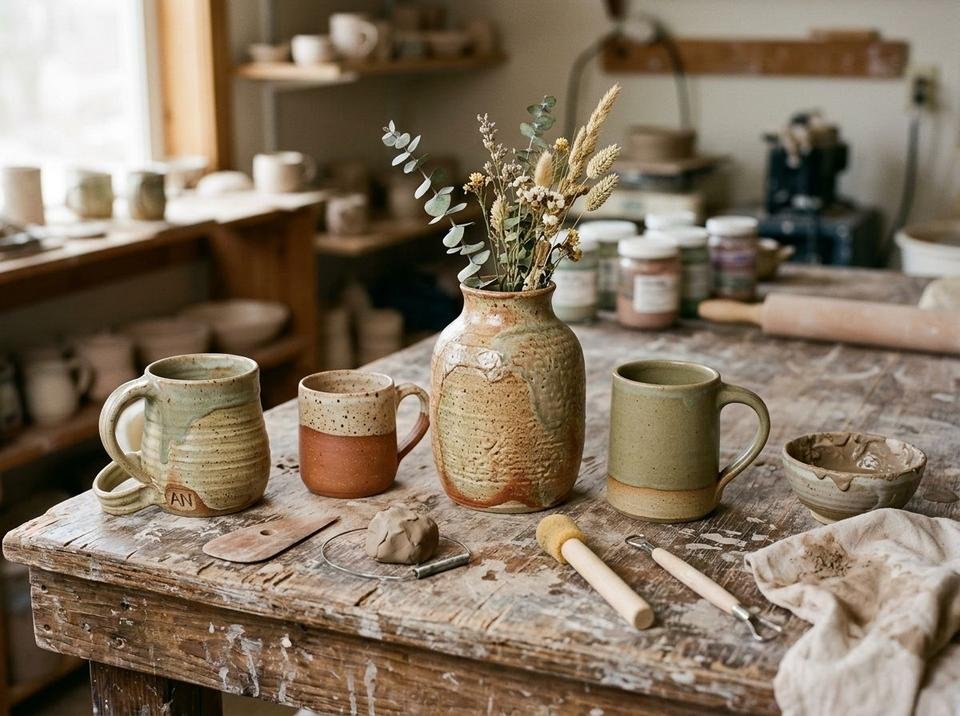
A slow, gentle ramp to 1060°C that vitrifies greenware into porous, sturdy bisque ready to absorb liquid glaze evenly.
Demystifying the alchemy of heat and mineral oxides. Learn how to mix food-safe dip glazes, apply wax resist, and program reliable mid-range firing schedules.
Opening a kiln after a glaze firing is one of the most exciting moments in the studio. Powdered minerals melt into smooth, glossy or satin-matte glass surfaces that seal porous stoneware into functional, microwave-safe tableware.
Our studio guides break down specific gravity testing with a hydrometer, preventing pinholes and crawling, and how to safely wax bottom foot rings so pots never stick to kiln shelves.
A slow, gentle ramp to 1060°C that vitrifies greenware into porous, sturdy bisque ready to absorb liquid glaze evenly.
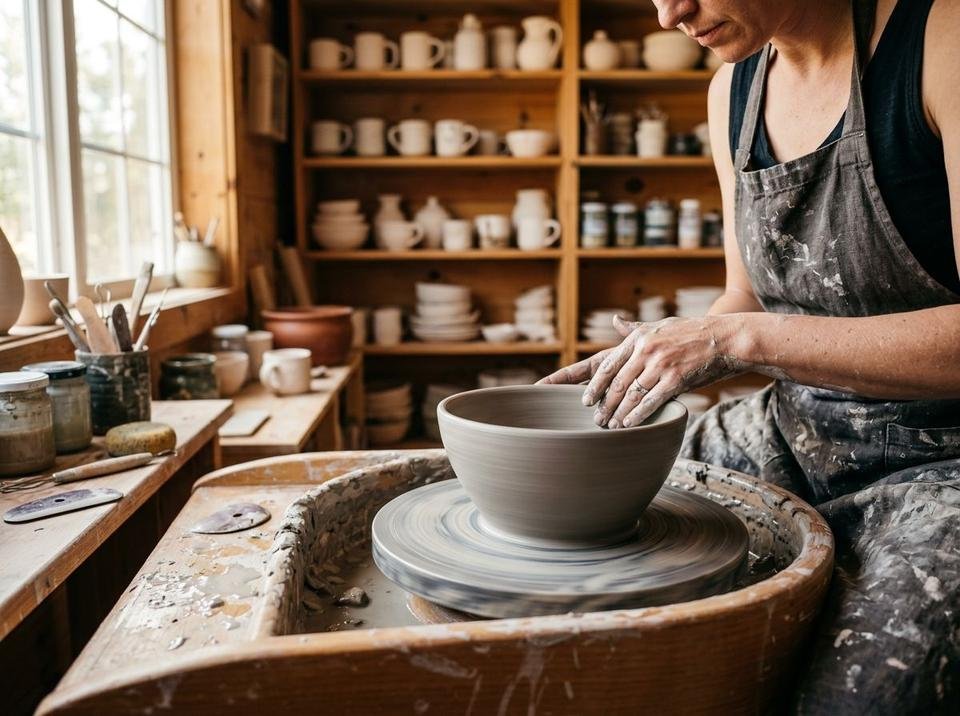
Learn how to use a simple hydrometer to ensure your glaze dip has the exact consistency of double cream every time.
A controlled soak and cooling schedule that eliminates surface bubbles and produces durable, scratch-resistant daily mugs.
Receive studio glaze testing logs, oxide combination recipes, and kiln shelf wash tips in your inbox every Sunday morning.